Why I fight for transparency—and what it looks like in practice
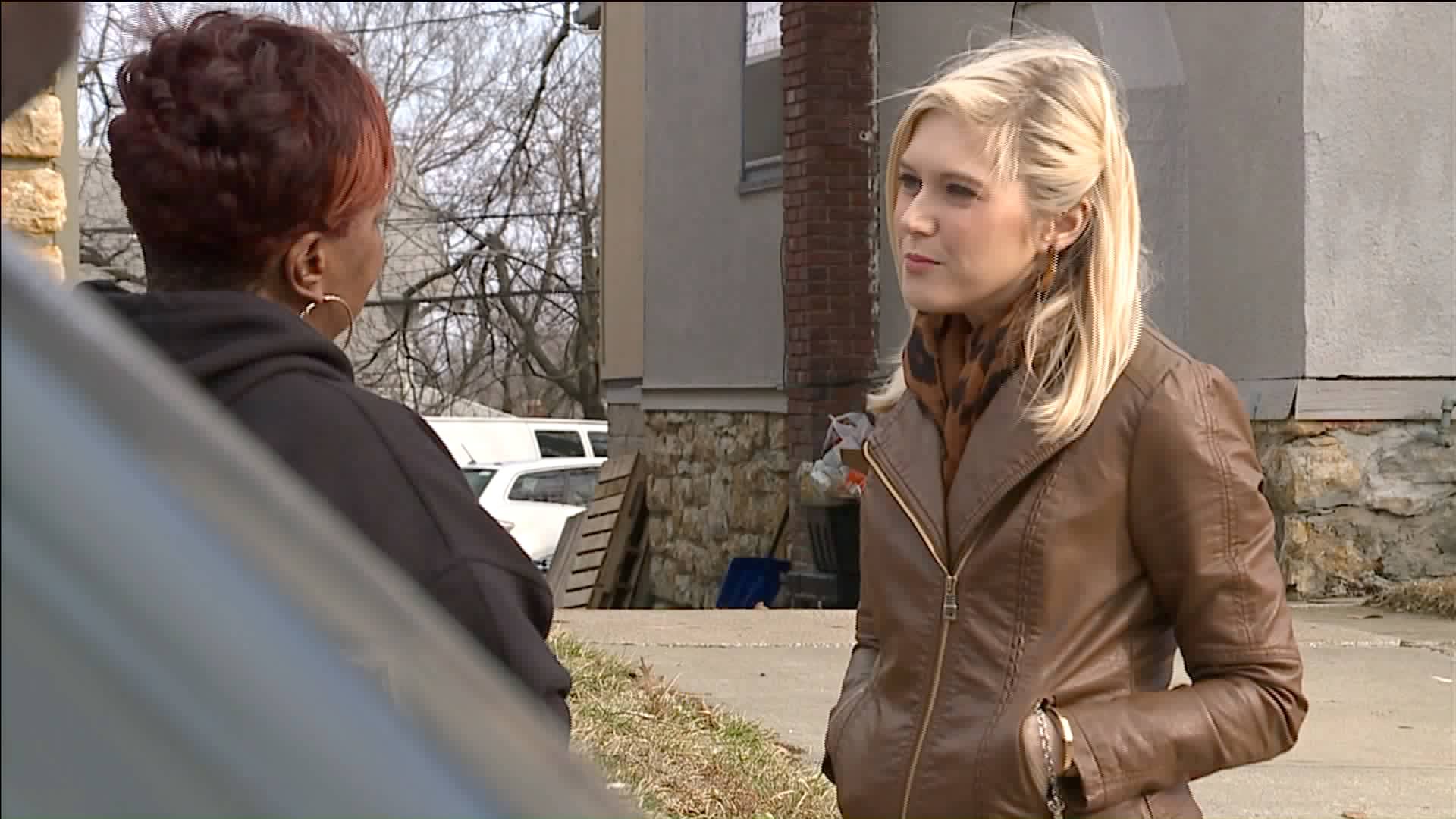
I’ve seen firsthand what happens when people don’t have the information they need. As a journalist, I sat with families who couldn’t get clear answers, and I chased down stories because the truth mattered. Later, in government, I realized the same principle applied on the other side of the podium: people deserve to know what’s happening, why decisions are made, and how those decisions will affect their lives.
Transparency, to me, isn’t about checking a box or issuing a press release. It’s about treating people with respect by giving them information in plain language, on time, and in a way that makes sense. It’s about being honest when the news is good, and just as honest when it isn’t. That’s how trust is built—not with polish, but with clarity.
What transparency means in practice
It looks ahead. I try to keep my eyes on the horizon and anticipate what information people will need next. Sharing updates as they’re coming—not just after decisions are final—helps residents feel included instead of left in the dark.
It’s plain. If a message requires a translator to make sense, it needs to be rewritten to ensure clarity. That’s why we rely on plain language principles and tools to ensure clear communication. On our website, we utilize a translation widget, allowing residents to instantly read in their own language. When the message requires further attention, our Language Access team steps in to translate or rewrite it for accessibility. Clarity is never one-size-fits-all—it’s about meeting people where they are.
It’s the whole story. Wins deserve celebration, but setbacks deserve daylight too. When a project is delayed, transparency means saying why, what’s being done about it, and when people can expect another update.
It’s accessible. Alt-text, captions, translations, and mobile-friendly pages matter. Information isn’t public if people can’t actually reach or understand it.
It’s accountable. If something changes, or if we get something wrong, transparency means saying so openly and quickly. Credibility doesn’t come from perfection—it comes from honesty.
It closes the loop. When people take time to give input, they should see what happened with it. Even if their idea couldn’t be implemented, they deserve an explanation.
Why it matters
In today’s world, misinformation spreads faster than facts. The antidote is consistent, plain, and early communication. When people know what’s happening and why, rumors shrink. When they see progress, they give grace. And when they’re respected with the truth—even the hard parts—they stay engaged.
My Commitment

I will keep choosing clarity over comfort and honesty over convenience. I will keep working to make public information something people can actually use, not something they have to fight for.
Transparency isn’t just a professional standard for me—it’s a way of treating people with dignity. And I believe it should be the foundation of every public institution that serves them.

About Sherae Honeycutt
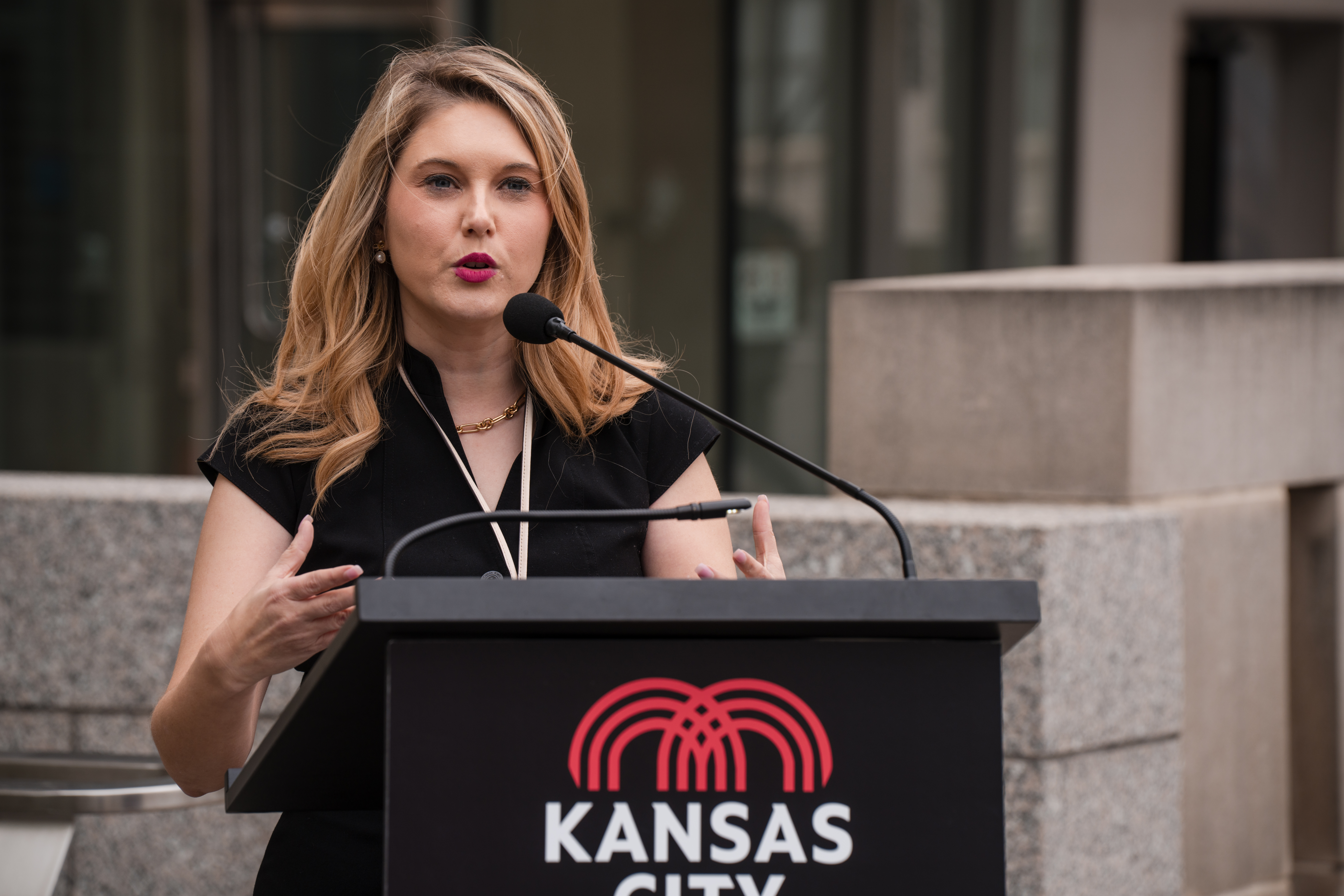
Sherae Honeycutt is an Emmy-winning journalist and public communicator who serves as Press Secretary and City Spokeswoman for Kansas City. A former foster teen turned advocate, she has led communications for major civic projects, guided emergency response messaging, and built partnerships that connect residents to vital information. She holds a Master of Arts in Strategic Communication from the University of Missouri’s School of Journalism and brings more than a decade of experience in journalism and public relations to her work. Her passion is simple: ensuring people have access to clear, honest, and timely information.
 Sherae Honeycutt
Leave a comment